Compare Local Contractors for Residential Brick Installation Services
Compare local contractors for residential brick installation to define project scope, verify experience, and set clear expectations in writing for a successful upgrade.
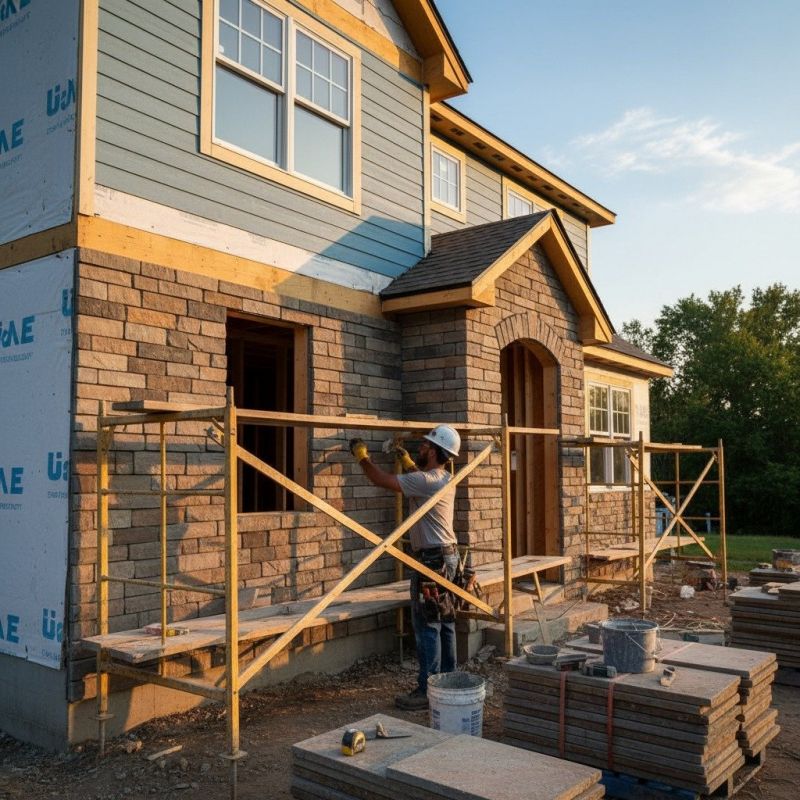
Residential brick installation services typically encompass a range of tasks related to the construction, repair, and aesthetic enhancement of brick features on a home. This work can include building new brick walls, facades, or accents, as well as restoring or replacing existing brickwork that has experienced damage or deterioration. Proper installation involves careful planning to ensure structural integrity, as well as attention to details like mortar selection, pattern alignment, and finishing techniques that contribute to the overall appearance and durability of the brickwork.
Clearly defining the scope of the project is essential to achieving satisfactory results. Property owners should specify the extent of the work, including the number of walls or features involved, the desired brick pattern or style, and any specific finishes or textures. Having a detailed scope helps prevent misunderstandings and provides a basis for comparing proposals from different contractors. It also ensures that service providers understand expectations upfront, which can lead to more accurate assessments of what the work entails and the resources needed.
When evaluating local contractors for residential brick installation, property owners should consider their experience with similar projects, the quality of previous work, and their reputation within the community. Comparing multiple service providers involves reviewing their scope of work, requesting references or portfolios, and verifying their understanding of project requirements. It’s also helpful to discuss how each contractor plans to approach the work and to obtain written agreements that outline the scope, materials, and responsibilities. This approach supports informed decision-making and helps ensure the selection of a contractor capable of delivering results aligned with the property owner’s expectations.
Compare local contractors by outlining project priorities, verifying experience, and clearly defining scope and expectations in writing.
- Verify Experience and Credentials - Ensure contractors have relevant experience in residential brick installation projects.
- Define Project Scope Clearly - Outline specific work details and expectations to avoid misunderstandings.
- Compare Multiple Service Providers - Review and evaluate local contractors based on expertise and reputation.
- Document Agreements in Writing - Confirm scope, materials, and responsibilities are detailed in a formal agreement.

Clearly describe your residential brick installation project to effectively compare local contractors, verify experience, and set expectations in writing.
- Verify the contractor’s experience with residential brick installation projects similar in scope and style. - Ensure the service provider clearly defines the scope of work in writing before starting the project.
- Assess the quality of materials and methods the contractor plans to use for durability and aesthetic appeal. - Confirm that the contractor follows proper installation techniques to prevent future issues.
- Check references or reviews to gauge the contractor’s reputation and past performance on brick projects. - Make sure the service provider provides a detailed written estimate outlining materials, costs, and responsibilities.
- Ensure the contractor is knowledgeable about local building codes and best practices for residential brickwork. - Clarify that all work will be completed in accordance with relevant standards and regulations.
- Discuss project timeline expectations and how changes or delays will be communicated and documented. - Keep a record of all agreements and modifications to avoid misunderstandings during the project.
Compare local contractors’ experience and clarify project scope to ensure expectations are aligned.



Use consistent comparison criteria to evaluate local contractors' scope, experience, and written expectations for brick installation.
- Scope Definition - Clearly outline the specific brick installation tasks required for the residential project.
- Material Specifications - Specify the type, color, and quality of bricks and mortar to be used.
- Experience Verification - Confirm that local contractors have relevant experience with residential brickwork projects.
- Work Quality Standards - Establish expectations for craftsmanship, finishing, and durability in the scope documentation.
- Written Agreement - Ensure all project details, scope, and responsibilities are documented in a formal written agreement.
When comparing contractors for residential brick installation, it’s important to evaluate their experience with similar projects. Homeowners should seek out service providers who have a proven track record of completing brickwork that matches the scope and style of the desired project. Asking for details about past work, including the types of brick and techniques used, can help gauge whether a contractor has relevant expertise. A contractor’s familiarity with specific design requirements or architectural styles can also influence the quality and longevity of the finished work.
Having a clear, written scope of work is essential for setting expectations and ensuring all parties understand the project’s parameters. Homeowners should request detailed descriptions of the work to be performed, including the materials, surface preparation, and finishing details. A well-defined scope helps prevent misunderstandings and provides a basis for evaluating the contractor’s proposal. It’s advisable to review any written documentation carefully and ask questions to clarify any ambiguous points before moving forward.
Verification basics include confirming that service providers have the necessary experience and a history of successful projects similar to the one planned. Homeowners can ask for references or examples of completed work, and verify that the contractor’s experience aligns with the project’s specific requirements. Checking for any relevant credentials or memberships in professional organizations can also provide additional assurance of a contractor’s commitment to quality. Ensuring that the contractor’s background matches the project scope helps establish a solid foundation for a successful installation.
Evaluating options without focusing on prices involves assessing the professionalism, communication, and clarity provided by each service provider. Homeowners should compare how well each contractor understands the project, the thoroughness of their written proposals, and their responsiveness to questions. It’s also helpful to consider the level of detail in their scope of work and the transparency of their process. By focusing on experience, clarity, and communication, homeowners can make informed decisions that lead to a smooth and satisfactory brick installation experience.
Ask contractors to provide written scope of work to ensure your project expectations are clear and consistent.
- Experience and Past Work - What specific experience do local contractors have with residential brick installation projects?
- Scope of Work - How do contractors define and document the scope of the brick installation to ensure clarity?
- Materials and Techniques - What materials and installation techniques do service providers plan to use, and how do they compare?
- Project Expectations - How do contractors set and confirm expectations regarding project outcomes and responsibilities in writing?
- References and Reputation - Can local contractors provide references or examples of previous residential brick work to verify their expertise?
How can I compare different contractors for residential brick installation? To compare contractors effectively, review their experience, verify references, and ensure they provide clear, written scope of work and project details.
What should I consider when defining the scope of a brick installation project? Clearly outline the areas to be worked on, the types of bricks or materials to be used, and any specific design or finish requirements to ensure all parties understand expectations.
How do I verify a contractor's experience with residential brickwork? Ask for examples of previous work, request references, and check if they have handled projects similar in size and style to your own.
Why is it important to have the project scope and details in writing? Having a written record helps prevent misunderstandings, ensures all parties agree on the work to be performed, and provides a reference if issues arise.
What questions should I ask a contractor before hiring for brick installation? Inquire about their experience, methods, materials used, and how they handle project scope and changes to ensure clarity and professionalism.
How can I ensure the contractor I choose is reliable and experienced? Review their past work, verify references, and confirm they are transparent about their process and scope of work before making a selection.
By exploring the information provided, visitors have gained a clearer understanding of how to evaluate and compare residential brick installation contractors. They now know the importance of defining the scope of work, verifying experience, and putting all details in writing to set clear expectations. This approach helps ensure a more informed decision-making process when selecting service providers for their project.
Using the quote form allows visitors to easily connect with local contractors who can handle residential brick installation. It offers a straightforward way to compare options and find the right fit based on their specific needs. Taking this step can help streamline the process of finding experienced service providers in the area.